
Real Stories of Awareness and Recovery
Case One: James, 63
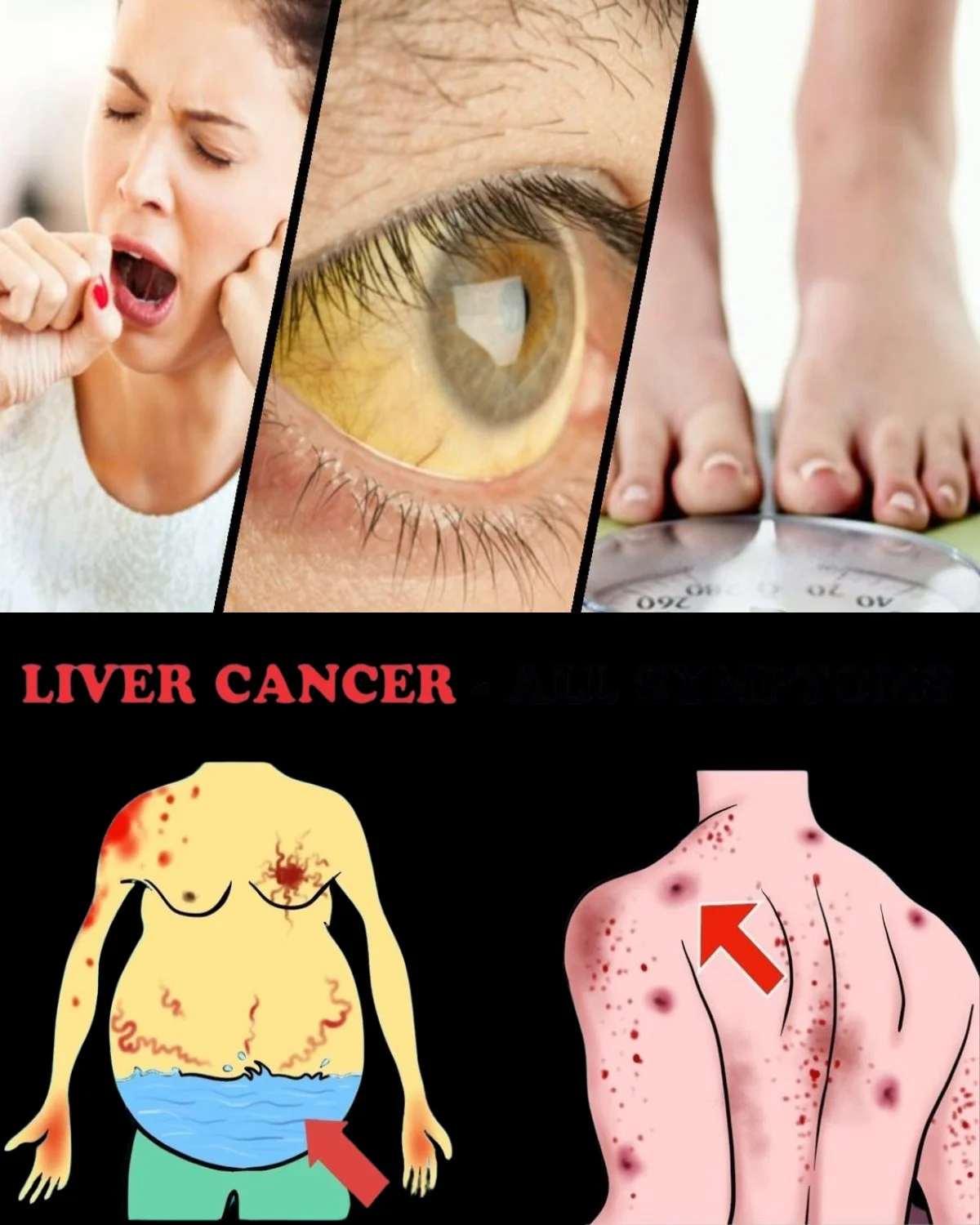
James ignored his fatigue for months. “I thought it was just aging,” he said. But when he developed ankle swelling, he finally got checked. Early scans caught a small tumor—treatable and localized. His doctor told him, “You came just in time.”
Case Two: Maria, 55
Maria noticed her skin itching constantly but didn’t connect it to her liver. A friend urged her to test her enzymes. It turned out she had early-stage fatty liver changes. With a simple diet shift and hydration, her symptoms faded within weeks.
Both stories share one message: awareness saves lives.
You Might Be Thinking…
“But I don’t drink much—how could my liver be at risk?”
Liver cancer isn’t just about alcohol. Non-alcoholic fatty liver disease (NAFLD) is now one of the fastest-growing causes, linked to sugar and processed food intake.
“Can these signs mean something else?”
Absolutely. Many of them overlap with other conditions—but that’s why checking matters. Only tests can rule out serious issues.
“Is it reversible?”
In many early cases, lifestyle changes and timely treatment can help the liver recover or slow disease progression.
The Takeaway: Listen Before It’s Too Late
Your liver works silently, day and night. It filters, heals, and protects. But when it speaks, even in whispers, you must listen.
Don’t dismiss persistent fatigue. Don’t ignore bloating, itching, or yellowing eyes. Your liver may be asking for help.
If you notice two or more of these warning signs, make that call. Schedule the checkup. Because catching problems early isn’t just smart—it’s life-saving.
And here’s something powerful to remember: every sip of water, every fiber-rich meal, every hour of good sleep—it all helps your liver do its job better.
So take a deep breath. Pay attention. Your liver is talking—and it’s time to listen.
This article is for informational purposes only and does not replace professional medical advice. Always consult your healthcare provider for personalized guidance.
