
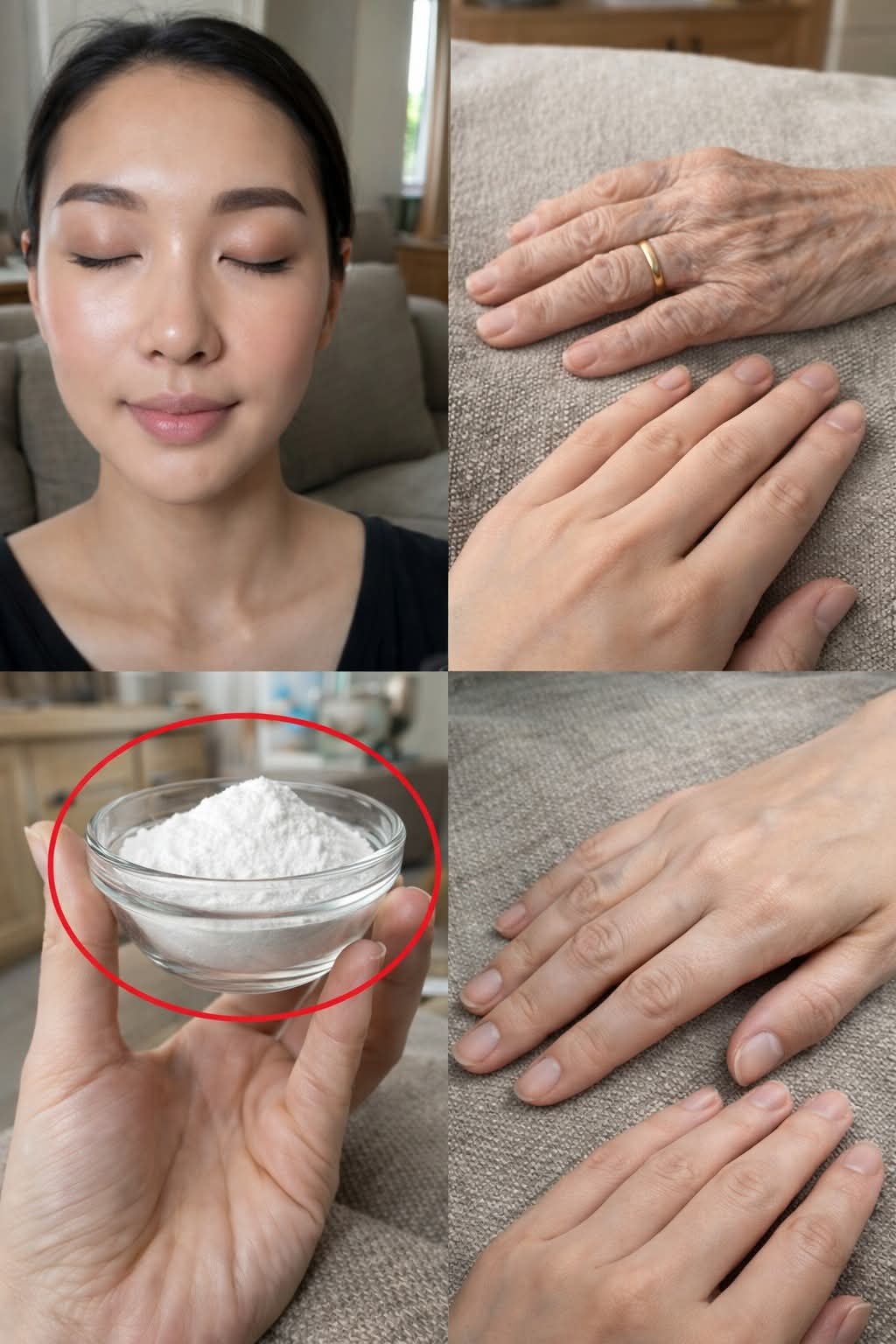
Incorporating Baking Soda into a Broader Skincare Plan
Baking soda isn’t a standalone solution. Think of it as part of a holistic approach.
Pair it with sun protection, as UV exposure accelerates aging signs, according to the Journal of Investigative Dermatology.
Hydration is key too. Drink plenty of water and use hyaluronic acid serums.
Exercise and a balanced diet rich in antioxidants support skin from within.
Here’s the exciting part: Combining these habits might amplify the effects of simple ingredients like baking soda.
Studies from Nutrients journal link nutrition to skin vitality.
Real-Life Insights from Users Over 70
While not scientific, hearing from others can be motivating.
Many in online communities report feeling refreshed after trying baking soda scrubs.
One user shared: “It helped my skin look more even-toned after a few weeks.”
Of course, results vary. What’s consistent is the emphasis on gentleness.
This ties back to research on exfoliation’s role in routine maintenance.
Wrapping Up: Your Next Steps
In summary, baking soda offers an accessible way to explore exfoliation for mature skin, potentially supporting a smoother texture and brighter look when used carefully.
Start small, observe, and adjust. It might just become a staple in your cabinet.
Remember, consistency in overall skincare habits makes the difference.
Frequently Asked Questions
What should I do if baking soda irritates my skin?
Stop use immediately and rinse with cool water. Apply a soothing moisturizer. If irritation persists, consult a dermatologist for advice tailored to your skin type.
Can I use baking soda every day for skincare?
It’s generally not recommended for daily use, as it could disrupt your skin’s natural balance. Limit to 1-2 times per week, and always follow with hydration.
Is baking soda suitable for all skin types after 70?
It may work for normal or oily skin but could be too harsh for dry or sensitive types. Patch test first and consider alternatives like finer exfoliants if needed.
This article is for informational purposes only and not intended as medical advice. Always consult with a healthcare professional before trying new skincare ingredients, especially if you have underlying skin conditions.
