
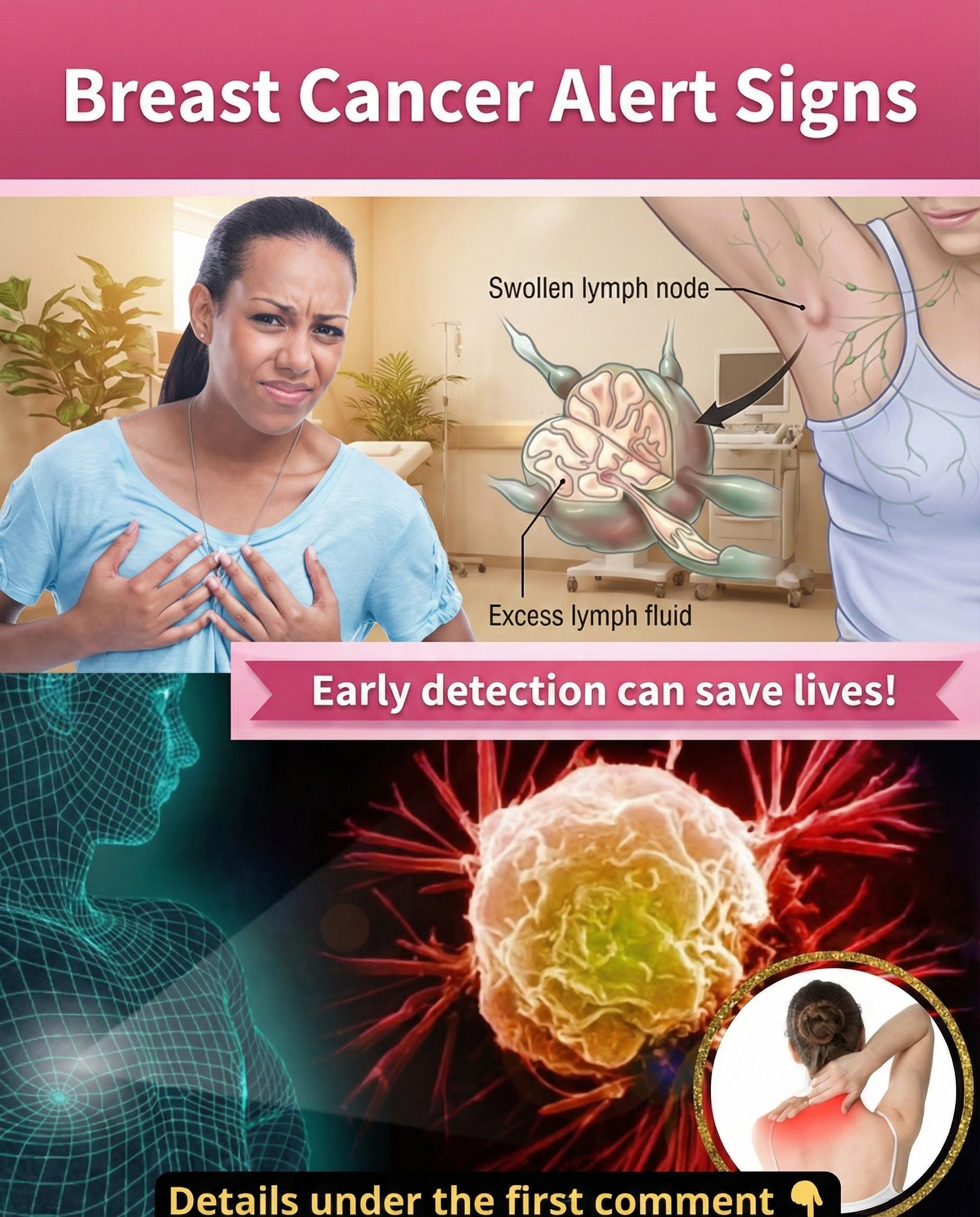
Building Healthy Breast Awareness Habits
Here are actionable steps you can start today:
- Schedule annual clinical breast exams.
- Discuss your family history and risks with your provider.
- Stay active, maintain a balanced diet, and limit alcohol—lifestyle factors that support overall health.
- Know common risk factors like age over 40, family history, or dense breasts.
Guidelines from organizations like the American Cancer Society suggest women at average risk can start annual mammograms from age 40-44 optionally, and annually from 45-54.
Talk to your doctor about what’s best for you.
The truth is, most changes aren’t cancer—but checking them brings peace of mind.
Conclusion: Empower Yourself with Knowledge
Being aware of these signs puts you in control. Listening to your body and seeking timely advice can turn potential worry into proactive care.
Share this information with loved ones, prioritize your screenings, and remember: early attention often leads to the best outcomes.
Preguntas Frecuentes
When should I start getting mammograms?
Many guidelines recommend discussing options starting at age 40, with annual screenings common from then on for average-risk women. Those with higher risks may start earlier.
Can men get breast cancer?
Yes, though less common—about 2,800 cases expected in U.S. men in 2025. The same awareness of changes applies.
Are all breast lumps cancerous?
No, the majority are benign, like cysts or fibroadenomas. But any new or persistent lump should be checked by a professional.
Descargo de responsabilidad: This article is for informational purposes only and is not a substitute for professional medical advice. Always consult a qualified healthcare provider if you notice any breast changes or have concerns about your health. Regular screenings are key for early detection.
