5. Changes in Stool or Urine Color
Your bathroom habits tell stories your liver wishes you knew. Dark urine, pale or clay-colored stool, or changes in frequency can signal liver malfunction. The bile your liver produces affects color—when flow is blocked, these shifts appear.
If your stool is persistently light or your urine turns tea-colored, your liver may be waving a red flag.
6. Persistent Nausea or Loss of Appetite
The liver helps break down fats and toxins. When it’s impaired, your digestion slows—and food can suddenly feel unappealing. Some describe it as a constant “heavy stomach” feeling, others as mild queasiness that never fully fades.
Helen, 59, ignored her appetite loss for months. “I thought I was just eating lighter,” she said. But bloodwork told a different story—her liver enzymes were climbing.
7. Swelling in the Legs and Ankles
When your liver struggles, fluid balance shifts. Protein production drops, leading to fluid leaking into tissues—especially around the ankles and calves. If you notice puffiness that worsens through the day, don’t dismiss it as “just water retention.”
Elevating your feet may help temporarily, but it’s worth investigating the underlying cause.
8. Itchy Skin Without a Clear Cause
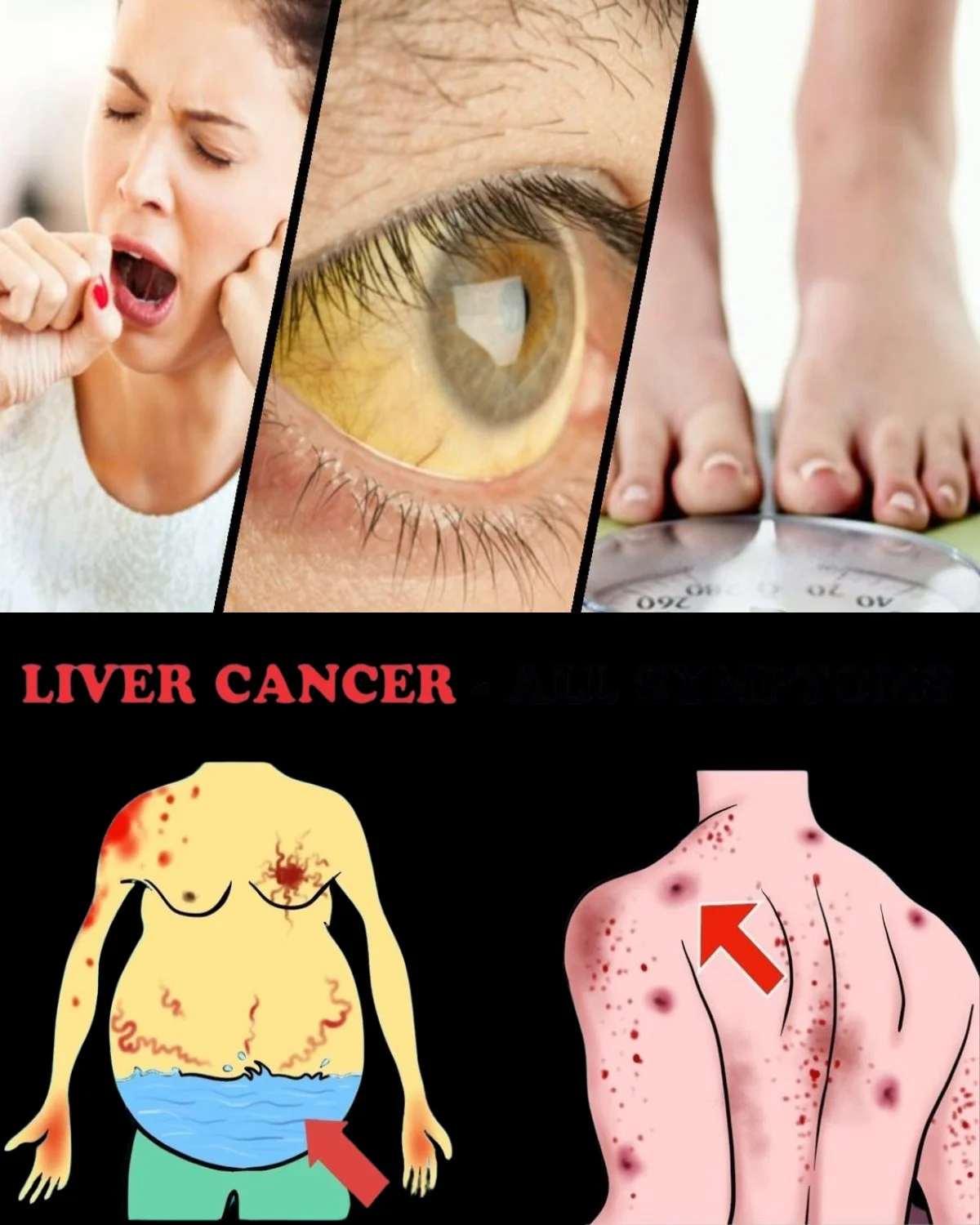
Strange, right? But it’s common. When bile builds up in the bloodstream, it can deposit salts under your skin—causing intense itchiness, especially at night. Unlike dry-skin itch, it doesn’t respond well to creams.
If you’ve been scratching for weeks with no rash or allergy, your liver might be behind it.
9. Easy Bruising or Bleeding
Your liver produces proteins that help your blood clot. When it’s damaged, you may bruise more easily, or nosebleeds might appear unexpectedly. It’s one of those subtle signs people often chalk up to “getting older.”
If your skin shows bruises after mild bumps, or your gums bleed often, your liver may need attention.
10. Feeling Full Quickly
An enlarged liver—or fluid in the abdomen (ascites)—can press on your stomach, making you feel full after only a few bites. If you’re eating less but not losing weight, this might explain it.
Paired with bloating or tenderness, it’s a signal worth noting. Early detection here can make all the difference.
11. Mental Fog or Confusion
Here’s one few people expect: when toxins accumulate in the bloodstream, they can affect brain function. This is called hepatic encephalopathy. You might forget things easily, feel disoriented, or notice mood swings.
If you or a loved one feels mentally “off” without explanation, it could be a sign of liver imbalance.
But that’s not all—some lesser-known symptoms can appear too: spider-like veins on the skin, loss of muscle tone, or constant chills. The liver communicates in whispers—until it can’t.
What Makes These Signs So Easy to Miss
Many of these symptoms overlap with common issues like stress, poor diet, or aging. That’s why liver cancer often goes unnoticed until advanced stages. Yet early-stage liver cancer, when found in time, can be managed more effectively with modern treatments.
Your liver can regenerate like few other organs—but only if you catch the damage early.
| Early Signs | Often Mistaken For | Possible Liver Connection |
|---|---|---|
| Fatigue | Lack of sleep | Reduced detox efficiency |
| Nausea | Stomach bug | Liver processing slowdown |
| Bloating | Indigestion | Fluid retention in abdomen |
| Bruising | Aging | Low clotting proteins |
What You Can Do Right Now
| Step | Action | Why It Matters |
|---|---|---|
| 1 | Schedule routine bloodwork | Checks liver enzymes early |
| 2 | Limit alcohol & processed sugars | Reduces liver strain |
| 3 | Eat antioxidant-rich foods | Supports natural detox |
| 4 | Mantenerse hidratado | Helps flush waste |
| 5 | Get vaccinated for hepatitis | Prevents infection-linked damage |
A few small changes—drinking more water, eating leafy greens, cutting back on alcohol—can dramatically support your liver’s resilience.
