
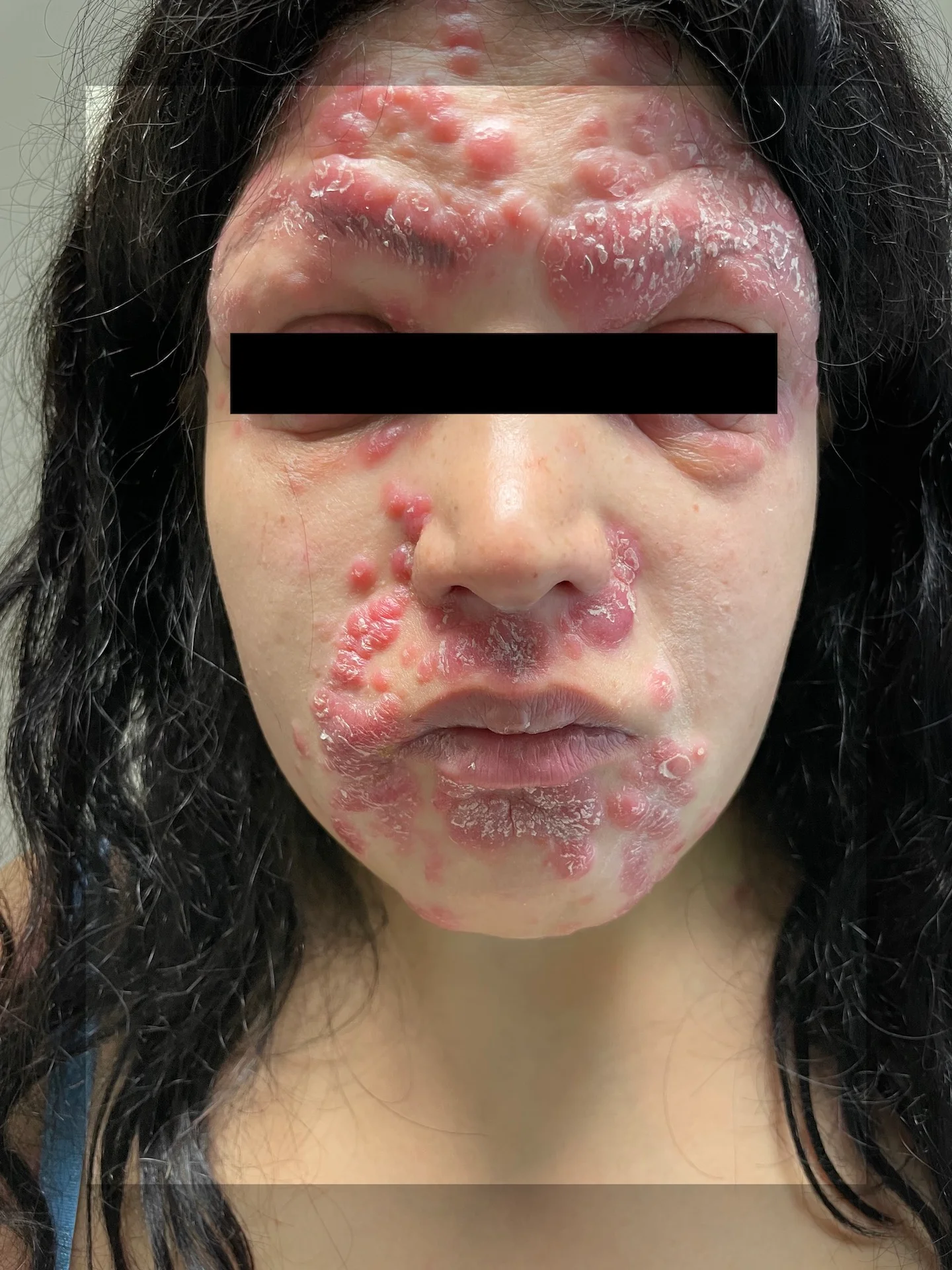
Clinical presentation
In immunocompetent patients, malignant syphilis typically begins abruptly. Symptoms often include high fever, malaise, weight loss, headache, and muscle or joint pain. These systemic features may precede or accompany skin findings.
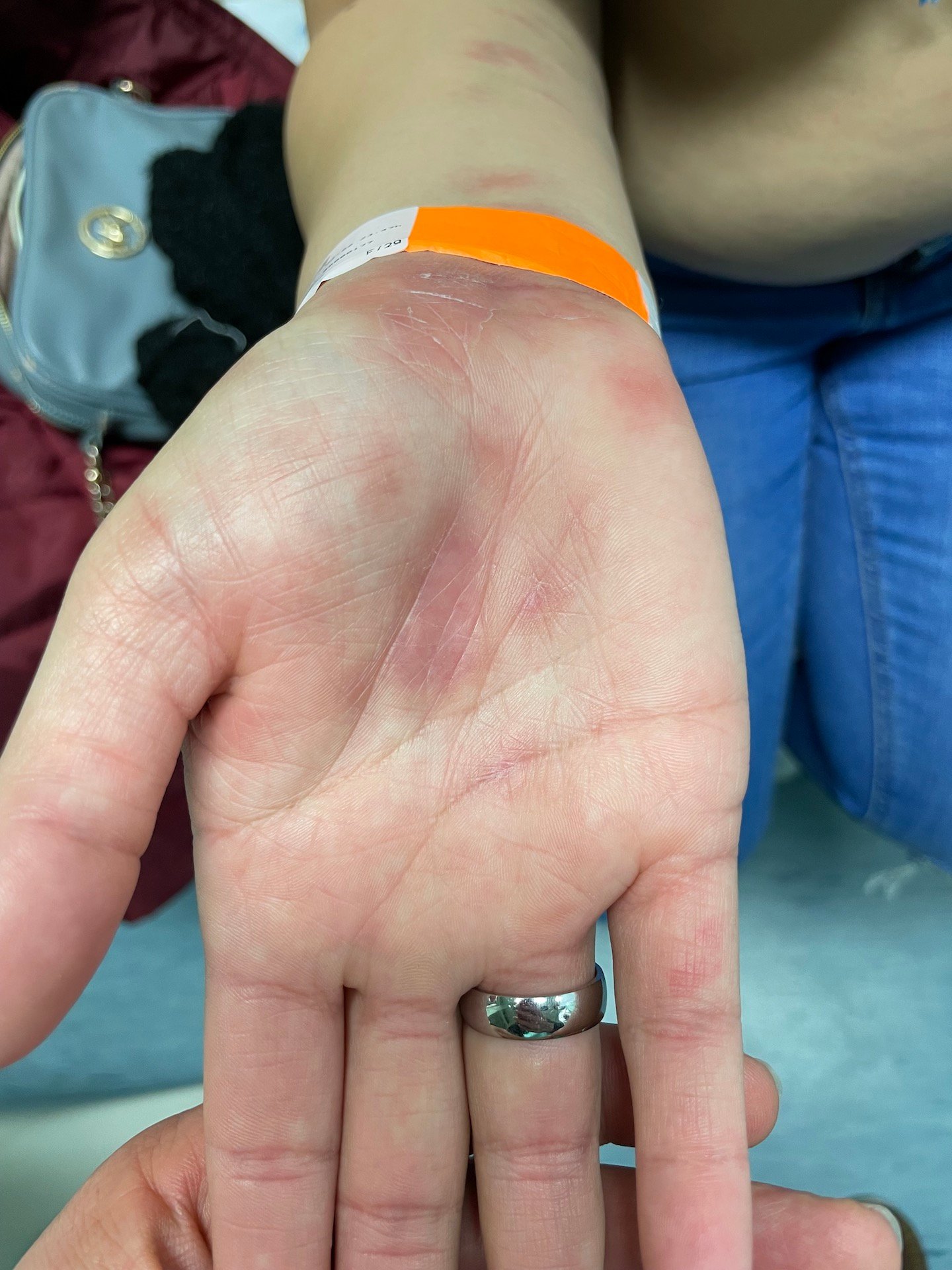
Cutaneous lesions are the most striking feature. Patients develop multiple painful papules or nodules that rapidly ulcerate, forming deep necrotic ulcers covered with thick, dark crusts. These lesions may resemble vasculitis, deep fungal infections, pyoderma gangrenosum, or even cutaneous lymphoma, which frequently leads to misdiagnosis.
Unlike typical secondary syphilis, mucous patches and generalized lymphadenopathy may be minimal or absent.
Diagnosis
Diagnosis relies on a combination of clinical suspicion, serologic testing, and histopathology. Non-treponemal tests such as VDRL or RPR are usually strongly positive, with high titers. Treponemal tests confirm the diagnosis.
Skin biopsy often reveals dense dermal inflammatory infiltrates rich in plasma cells, endothelial swelling, and necrosis. Spirochetes may be scarce on special stains, which can complicate confirmation. Importantly, HIV testing is essential, even when patients appear immunocompetent, due to the strong association.
