
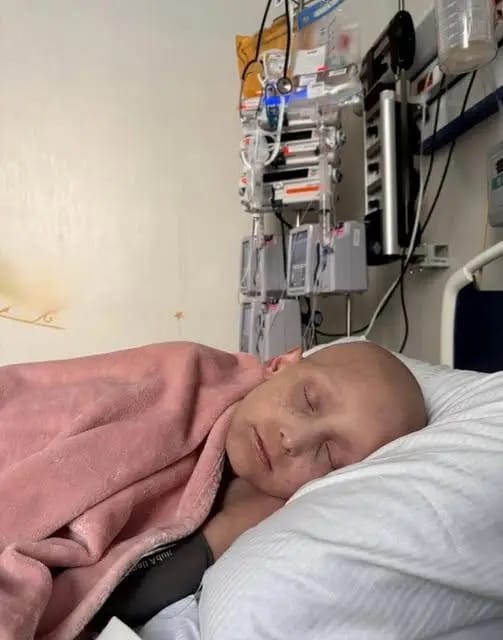
Nichole’s statement centers on three clear themes: profound gratitude, refusal to accept a bleak prognosis, and the tangible cost—both financial and personal—of pursuing advanced care. She repeatedly credits “generosity, support, prayers, and love” for enabling the family to travel and pay for treatment when insurance would not. She also highlights the personal sacrifices made: stepping away from work, the loss of Donald’s job and the emotional toll of long-term caregiving. Her language moves from stunned appreciation (“complete shock and speechlessness”) to determination (“we refused to accept that”), underlining how community support translated into concrete medical options for Branson.
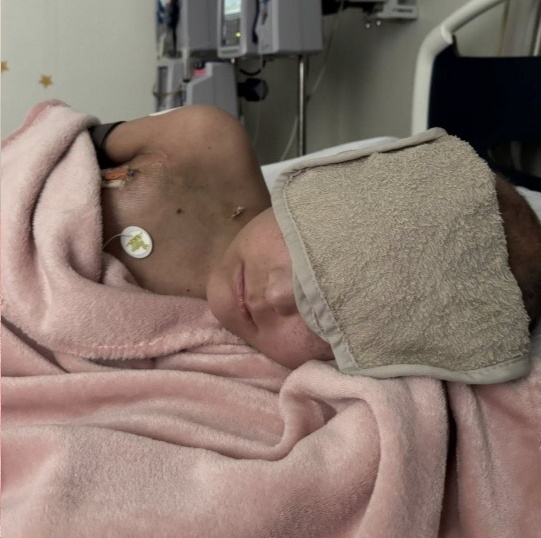
Context and related information
Acute Lymphoblastic Leukemia is the most common childhood cancer; for some patients, chemotherapy is followed by hematopoietic stem cell transplant (commonly called bone marrow transplant) when the disease is aggressive or relapses. Following a transplant, recipients face heightened infection risk because their immune systems are intentionally suppressed to prevent graft rejection. Adenovirus is one of several viruses that can cause serious illness in this setting.
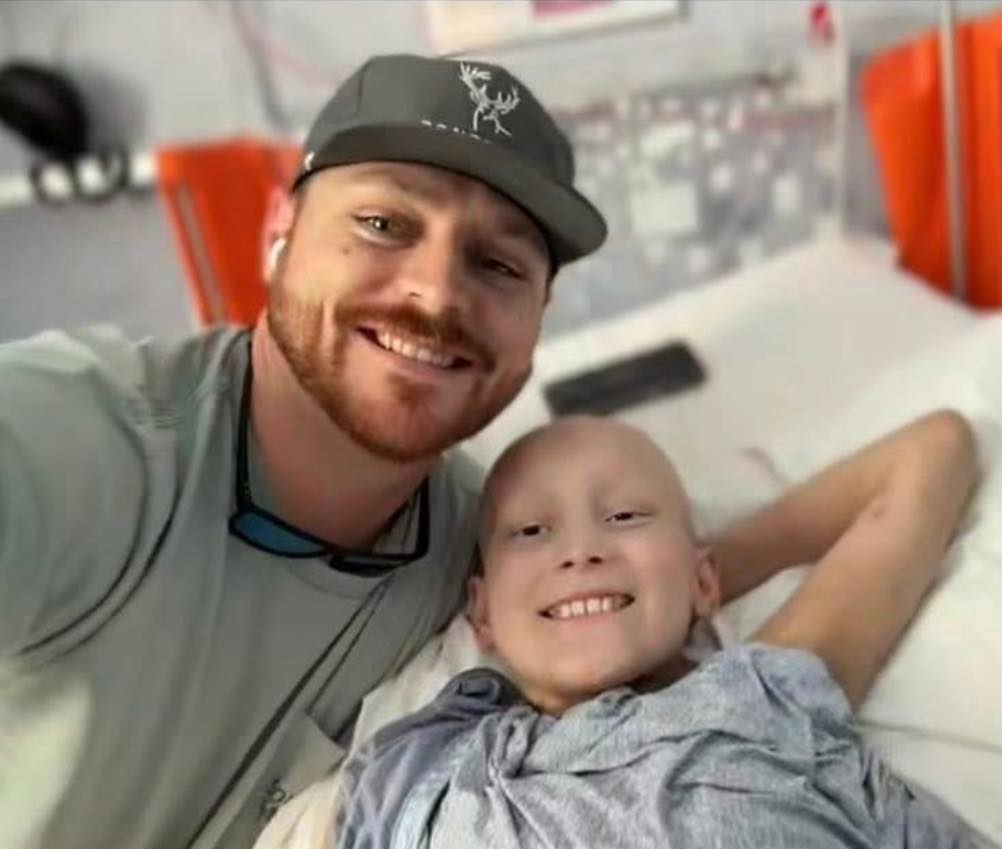
Families pursuing specialized or experimental care abroad often face steep costs, complex logistics and insurance denials. Community fundraising and grassroots campaigns frequently become essential to cover travel, treatment and living expenses when domestic options are limited or unavailable.
